Tramo II / Part II – Glanzenberg – Baden, 15,6 km.
(ENGLISH below)
Nos encontramos en el punto donde terminamos el paseo la última vez: la estación de Glanzenberg. Pasó solo un mes desde aquel encuentro en el que vestíamos pulloveres, camperas de abrigo y pantalones. Esta vez llevamos ropa ligera, zapatillas y el traje de baño guardado en la mochila. Vamos más livianos. La mitad del grupo participó del tramo anterior (Virginia, Tommaso, Agustina) y la otra es la primera vez que viene (Paul, Huub, Christian).
Comenzamos el paseo con la idea de llegar a Baden. La pregunta sobre si lo lograremos nos acompaña durante todo el camino; hay una intención de llegada y esto se percibe en el ritmo de la caminata.
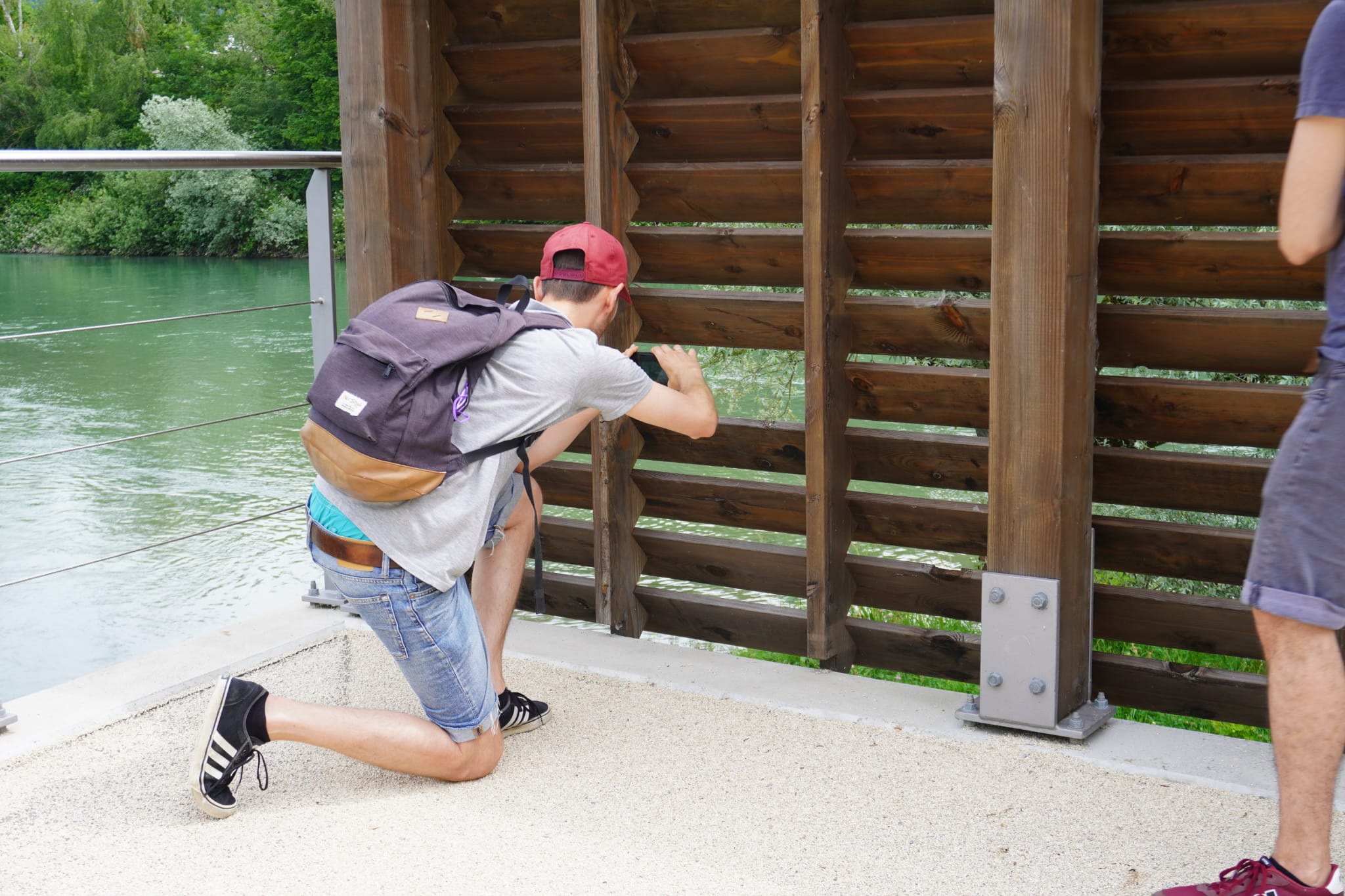
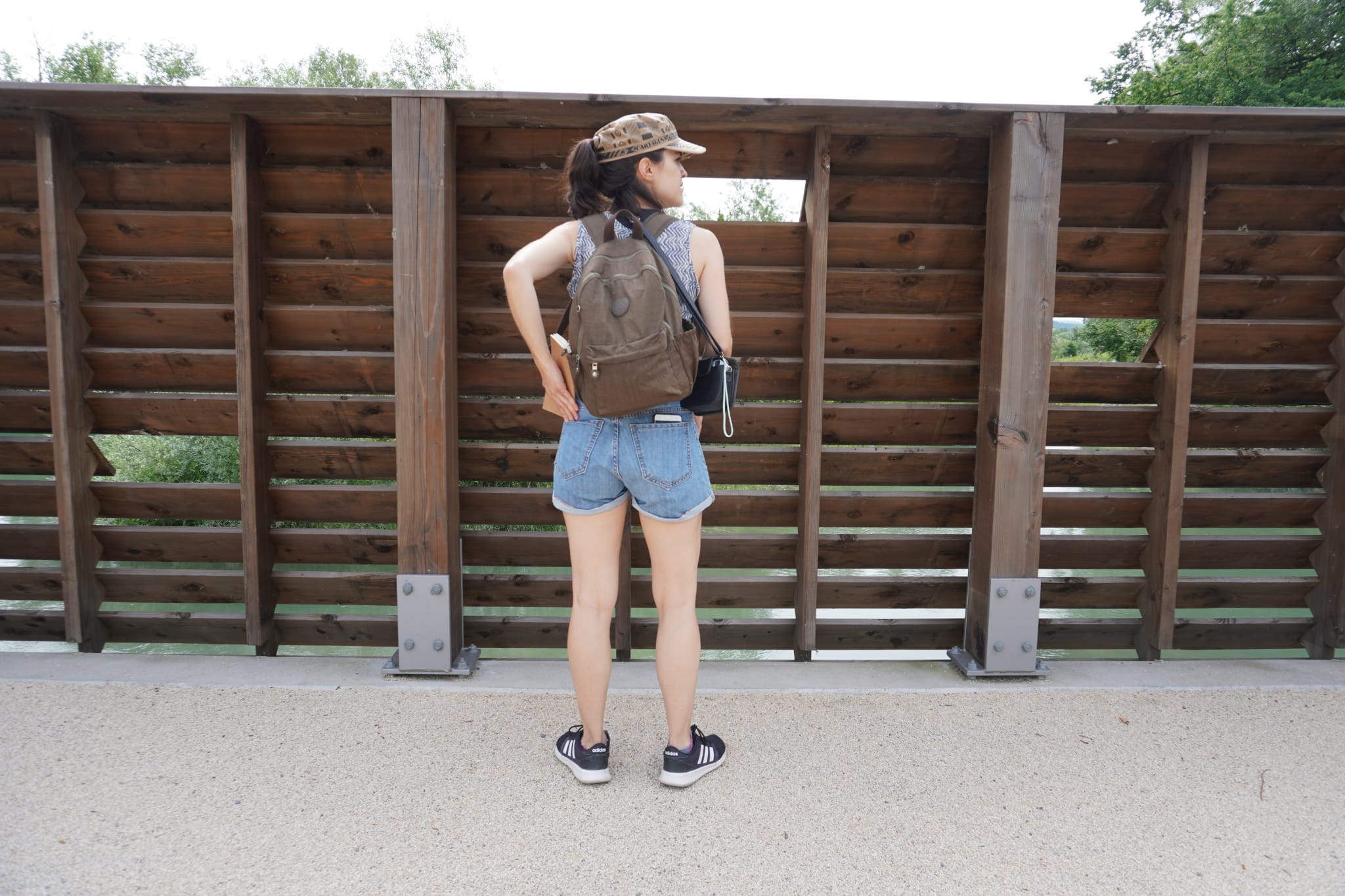
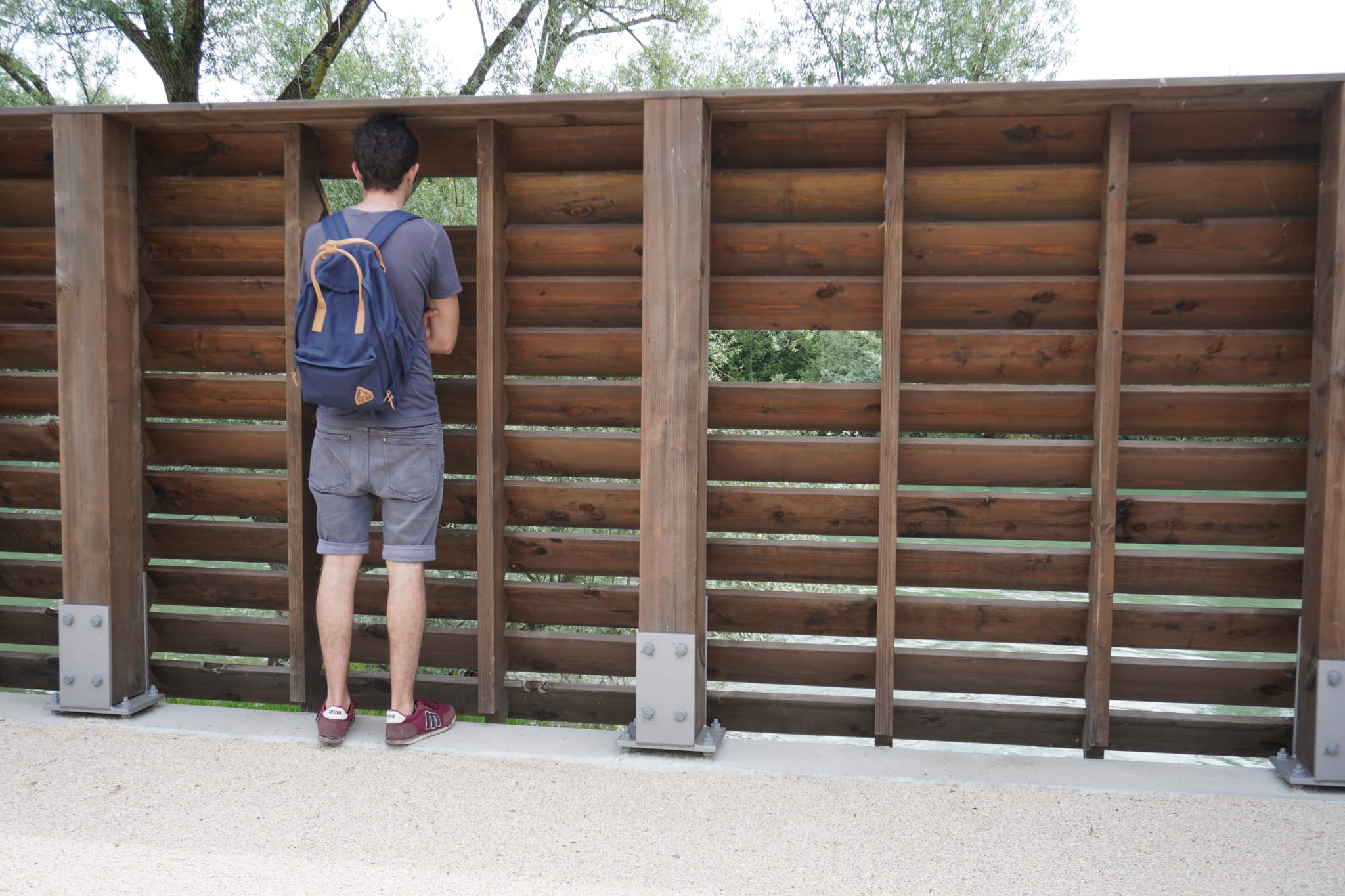
Avanzamos conversando mientras bordeamos Dietikon y llegamos a la Elektrizitätswerke des Kantons Zürich, una planta de energía hidroeléctrica. En 1888 el primer generador de la zona se puso en funcionamiento para accionar la máquina de una fábrica de tejidos de algodón y desde entonces se ha producido electricidad en este lugar. Pasamos a través de la Grien Insel, una isla creada junto con el canal para localizar las turbinas de la planta. En el extremo opuesto de la isla, por donde el camino sigue, encontramos un puente y un mirador de especies fluviales donde nos detenemos brevemente.
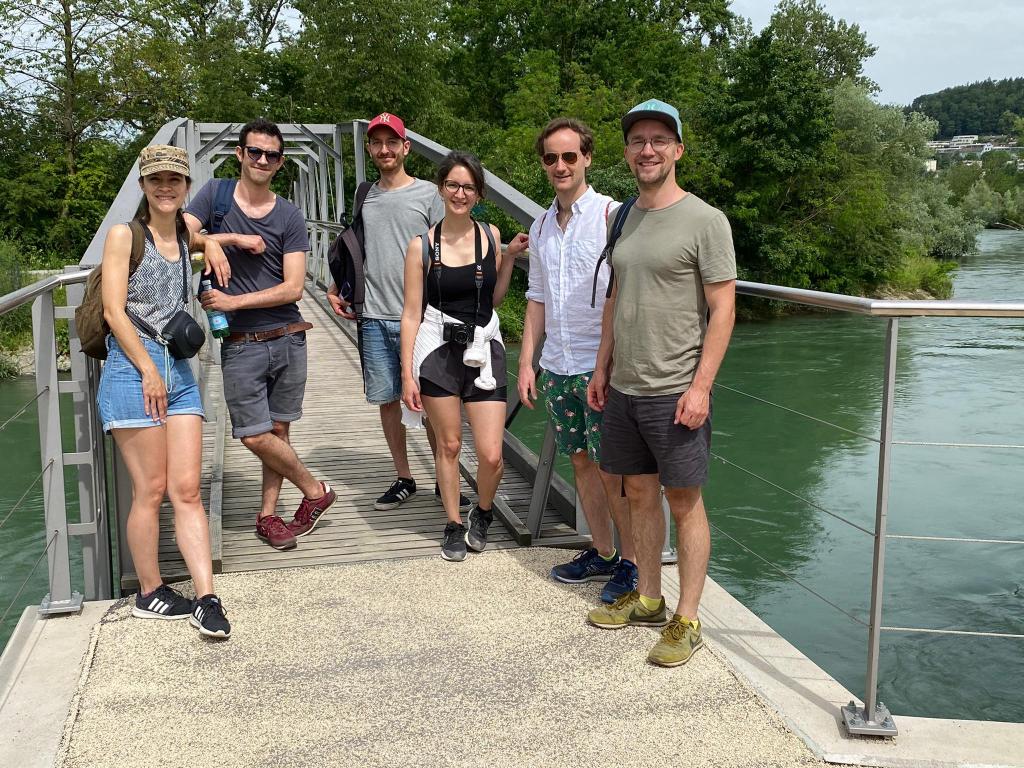
A partir de este punto, comenzamos a notar la ausencia de grandes centros urbanos cercanos al río. Cada tanto aparecen casas cerca de las orillas pero no hay grandes infraestructuras ni salidas al río. Es un trayecto tranquilo en el que a veces nos cruzamos con ciclistas.
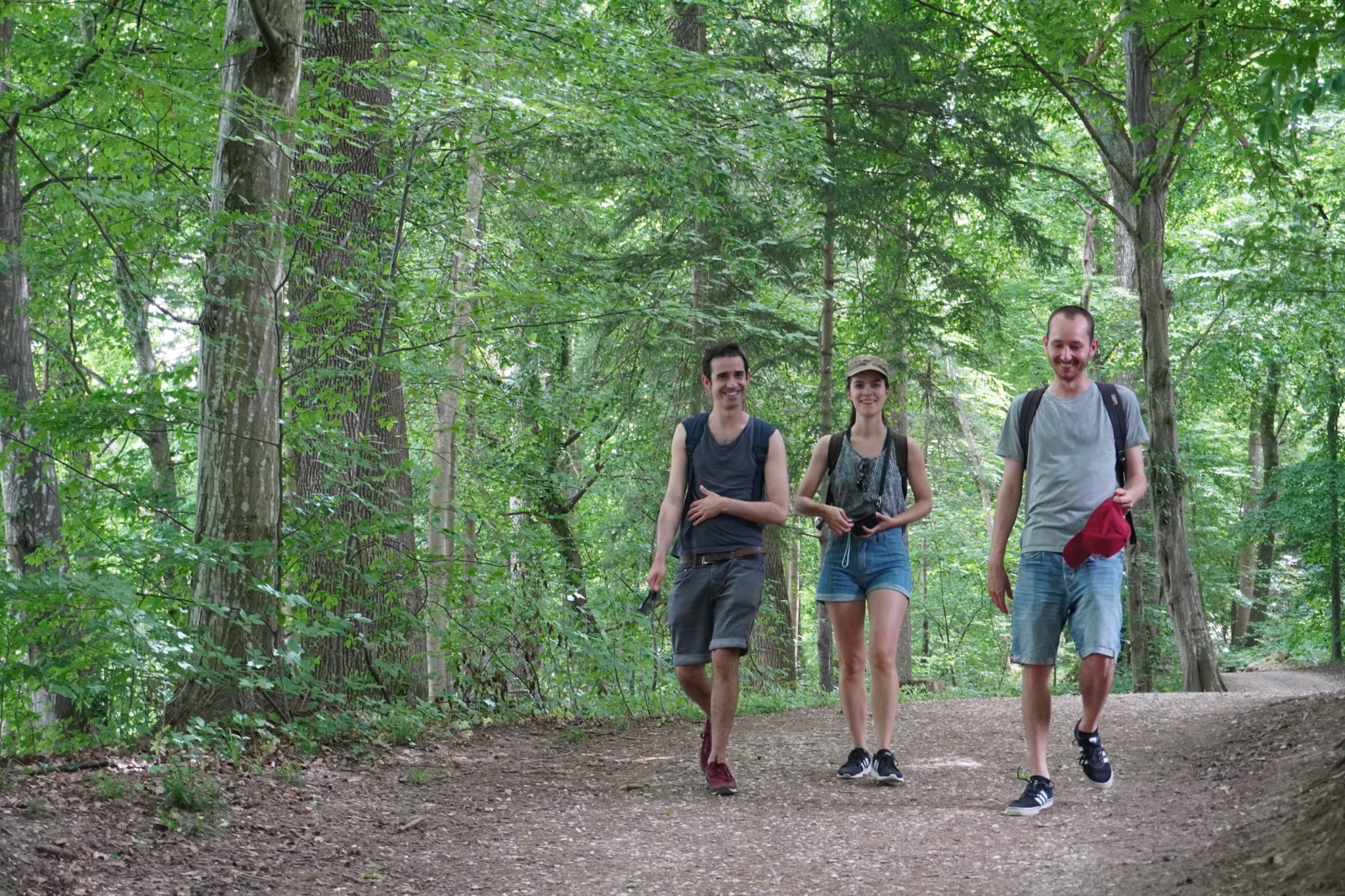
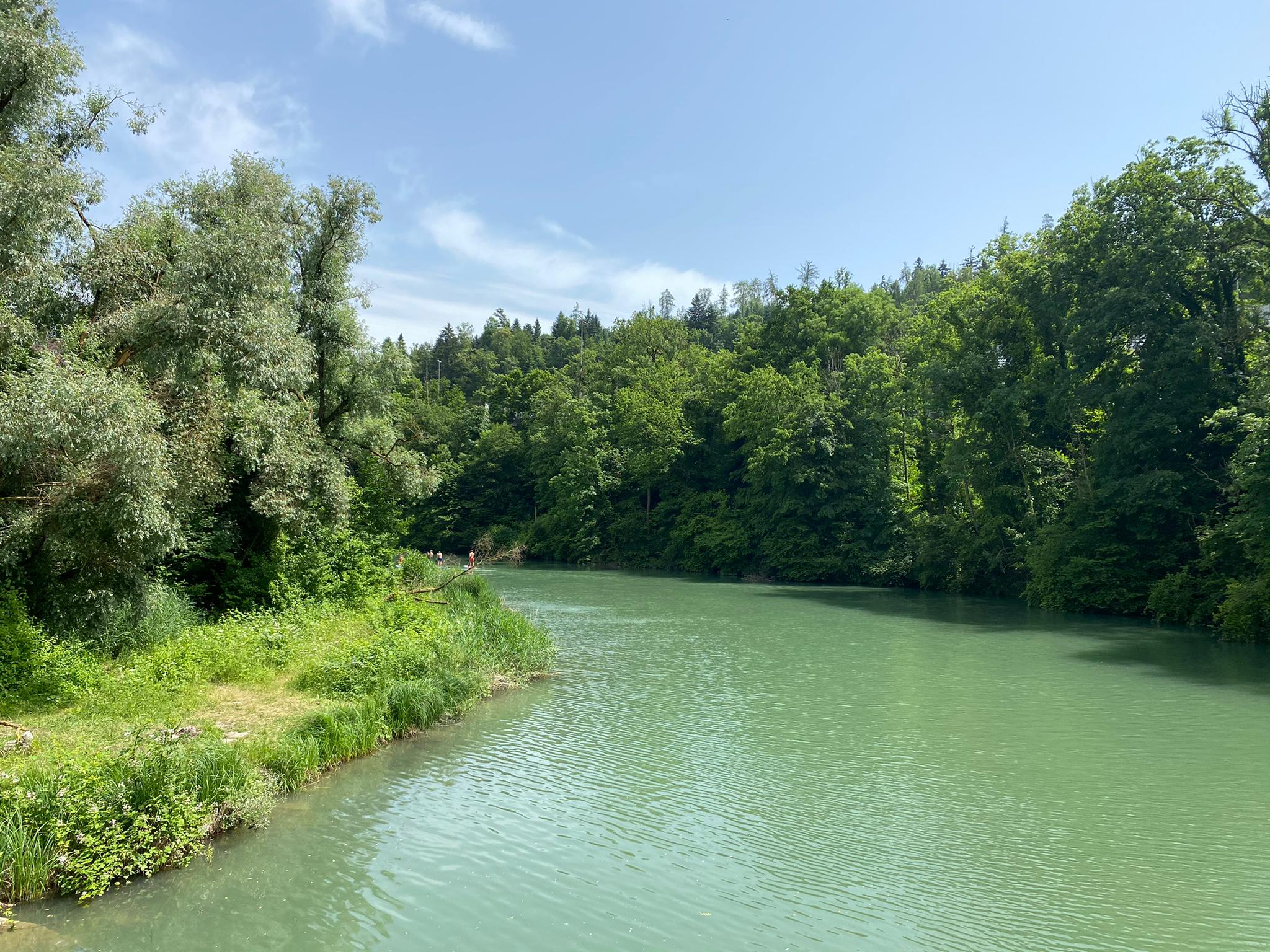
Las márgenes del río cambiaron también y allí donde hasta ahora habíamos caminado en planicies despejadas, aparecen bosques y barrancos. De a momentos, y sin darnos cuenta, nos encontramos viendo el río desde lo alto a través de los troncos de los árboles, siguiendo el camino que nos vuelve a llevar, momentáneamente, a su orilla. Así, entrando y saliendo de bosques, subiendo y bajando colinas, pasamos gran parte del recorrido. Al grupo le llama la atención el cambio del color del río; se ve de un verde más opaco y claro.
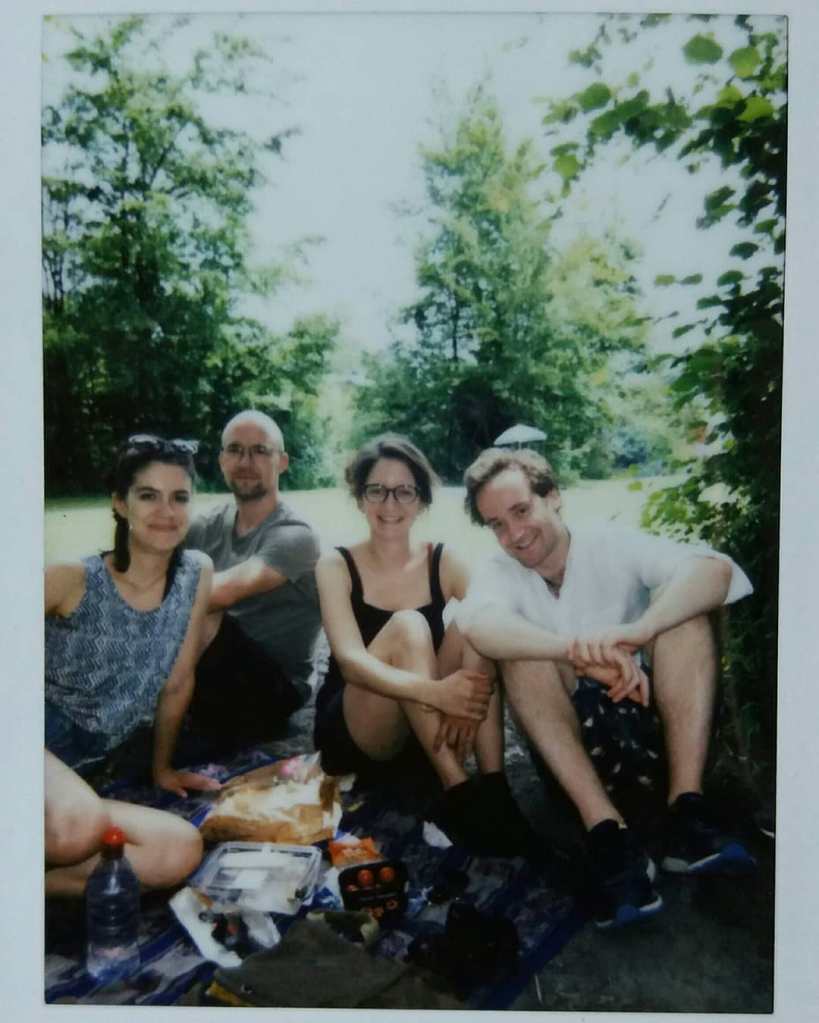
Atravesamos la frontera del Cantón Zürich con el Cantón Aarau, la cual comienza a partir del Limmatbrücke y se termina en el agua antes de llegar a la Limmatinsel, donde decidimos detenernos a hacer una pausa para nuestro picnic (y Paul un chapuzón también). Es este un lugar apacible, donde algunas familias desparramadas descansan en este domingo de sol.
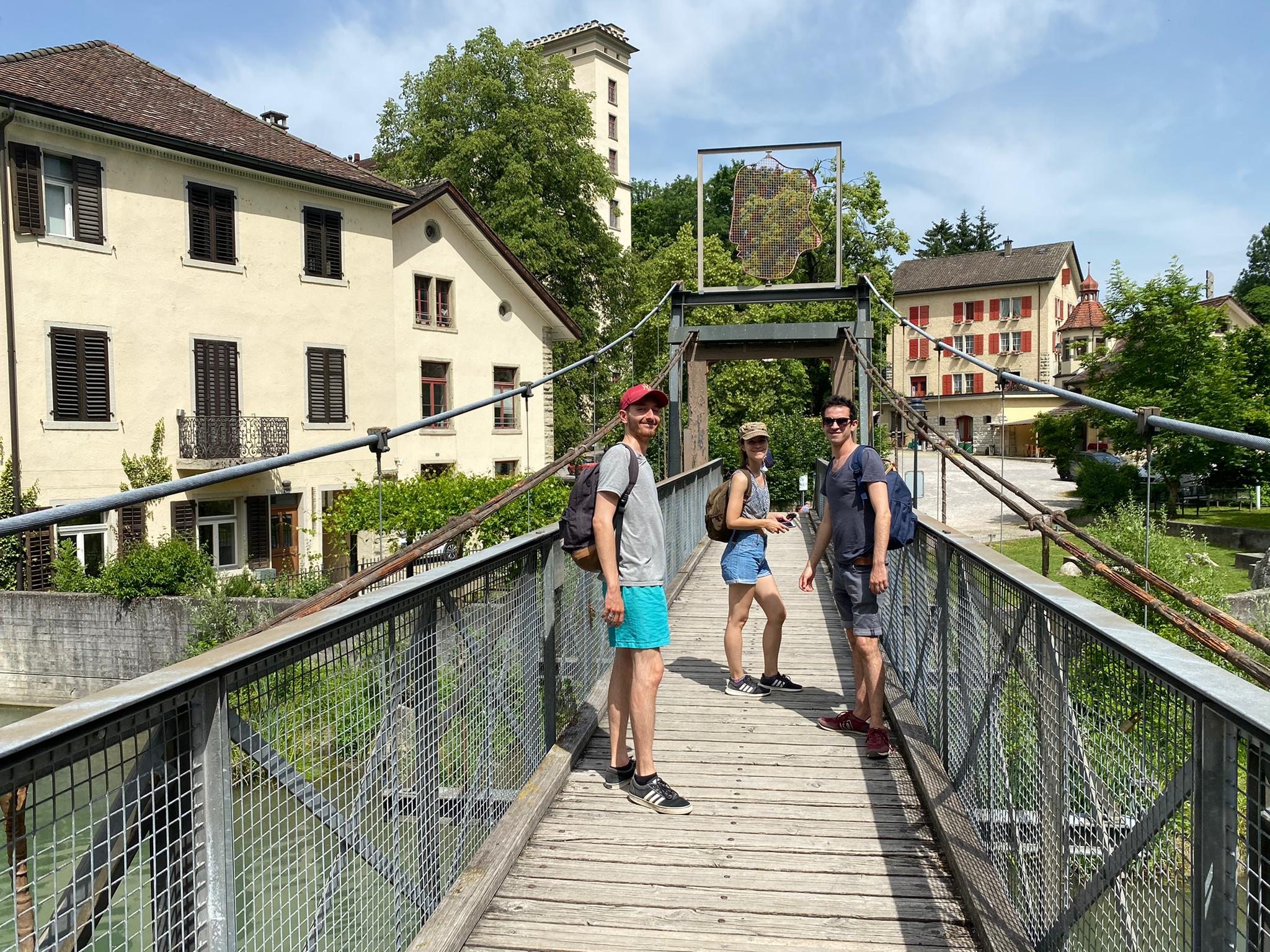
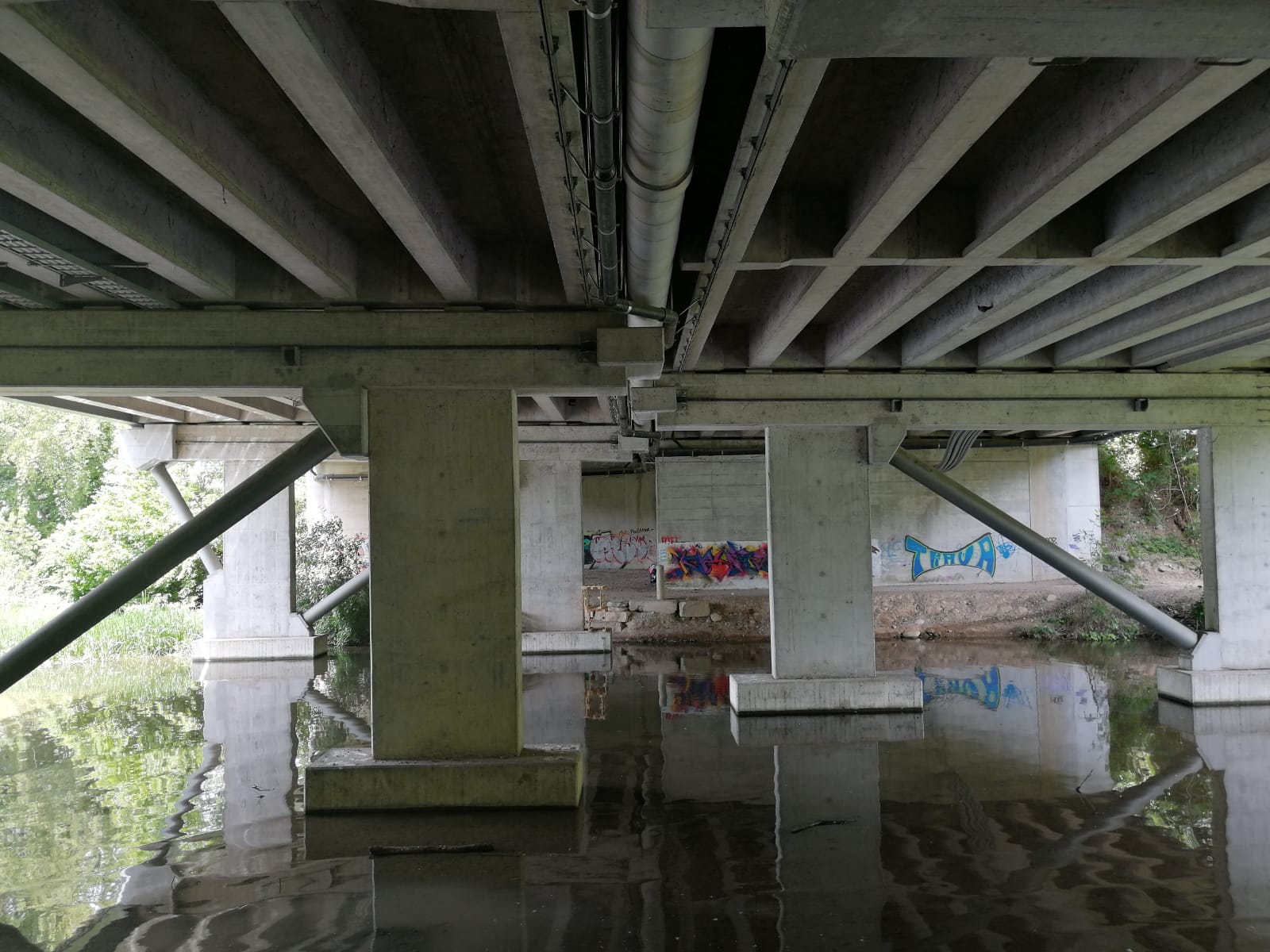
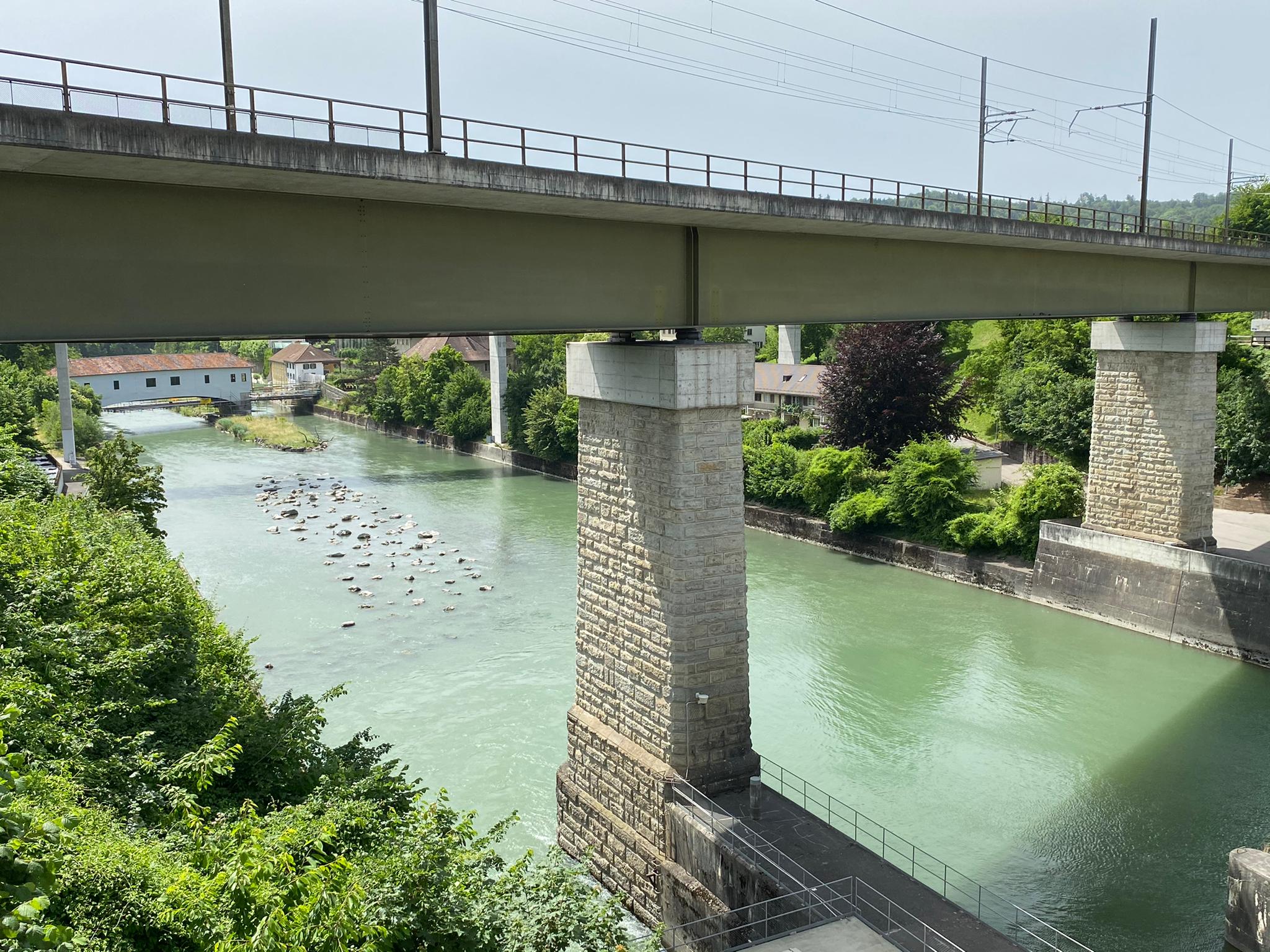
Seguimos camino entre bosques, a veces interrumpidos groseramente por el paso de una carretera que debemos bordear por pasarelas donde, ya no protegidos del sol, sentimos el calor que golpea. En uno de estos cruces al lado o debajo de carreteras, caminando en la margen derecha del río tras largo rato, nos encontramos debajo de un puente en el que perdemos el río. Es una preocupación sobre la que ya se había fantaseado. ¿Qué hacemos si de pronto nos damos cuenta de que perdimos el río o que hemos tomado un brazo fluvial que nos desvió del Limmat? En este caso, decidimos buscar la forma de volver al río que quedó atrás y luego de bordear el seco barranco, cruzarlo para volver a la otra mano, volver a pasar debajo de ese puente, subir unas escaleras y caminar otra vez al lado de una carretera, llegamos a la margen izquierda del Limmat.
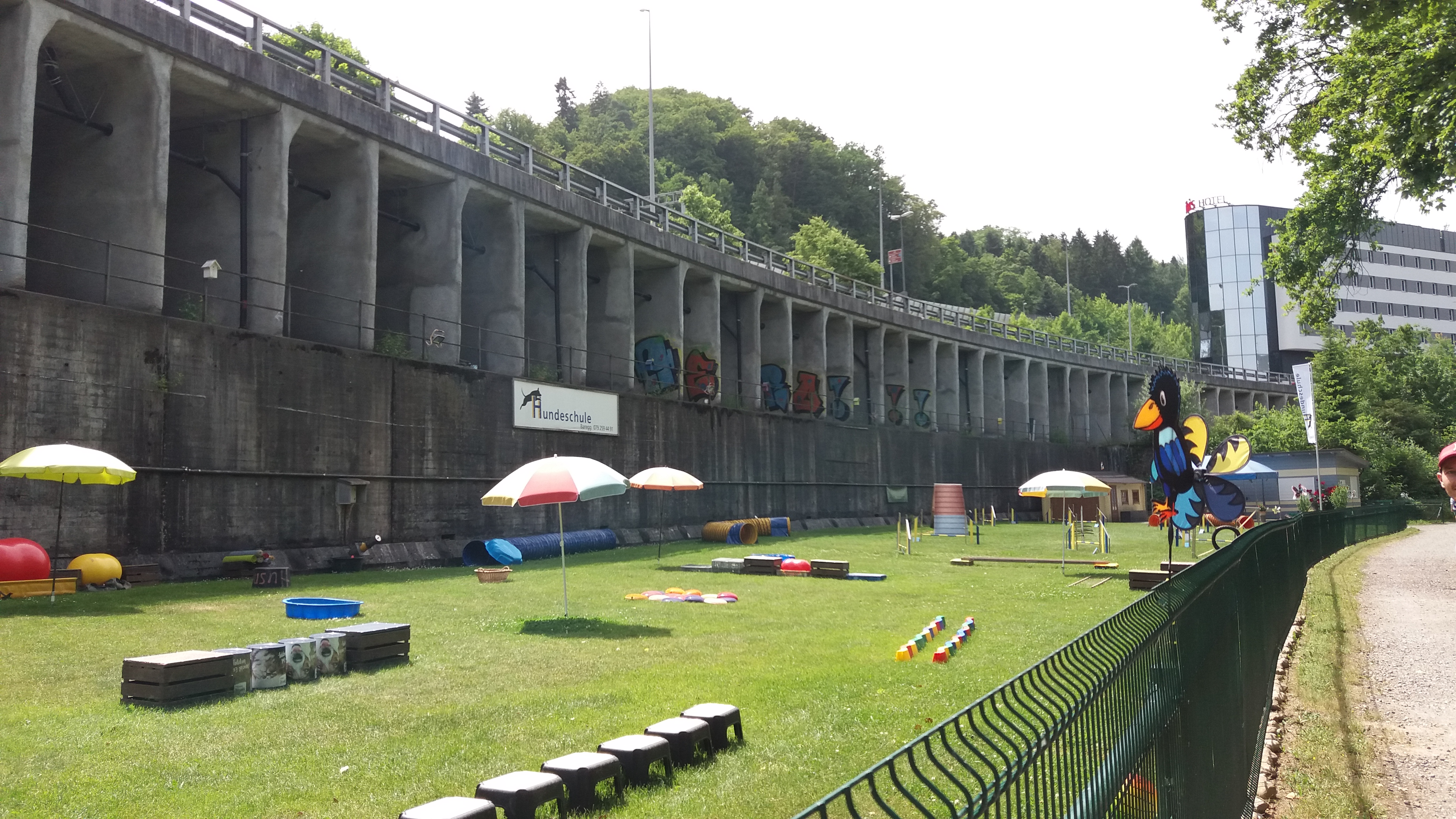
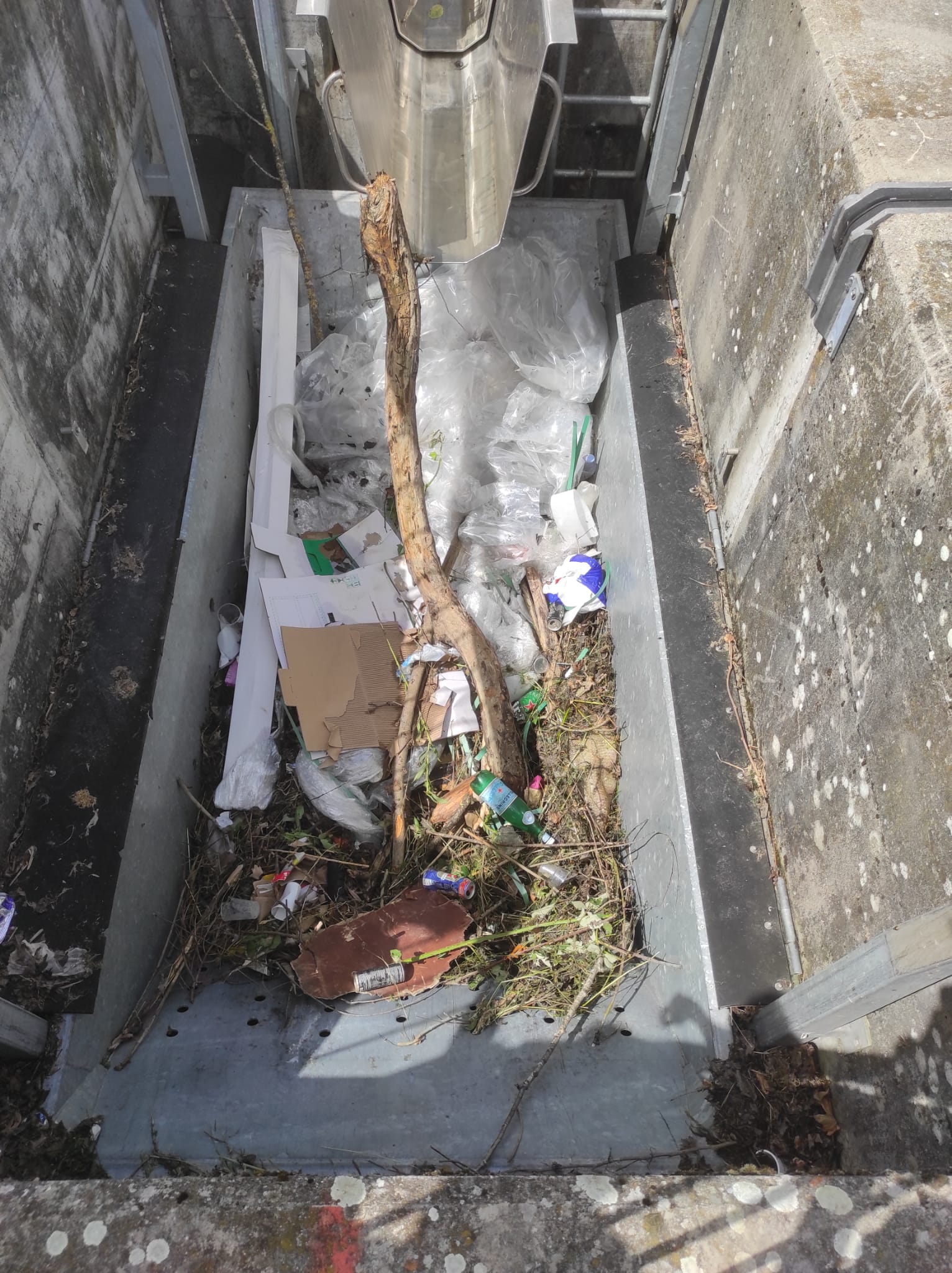
Andamos mucho, conversando de a pares, y nos detenemos poco, hasta que la necesidad de bañarnos se hace más fuerte. Estamos cerca de Wettingen, y debemos caminar largo rato bajo el sol hasta encontrar una zona donde refrescarnos. Antes, pasamos por un embalse en el que olemos un fuerte olor a podrido que proviene de basura y peces muertos atrapados. Al pasar el embalse vemos un paso acuático para que los peces lleguen al río, un parque de entrenamiento para perros y una frase curiosa grabada en un muro:
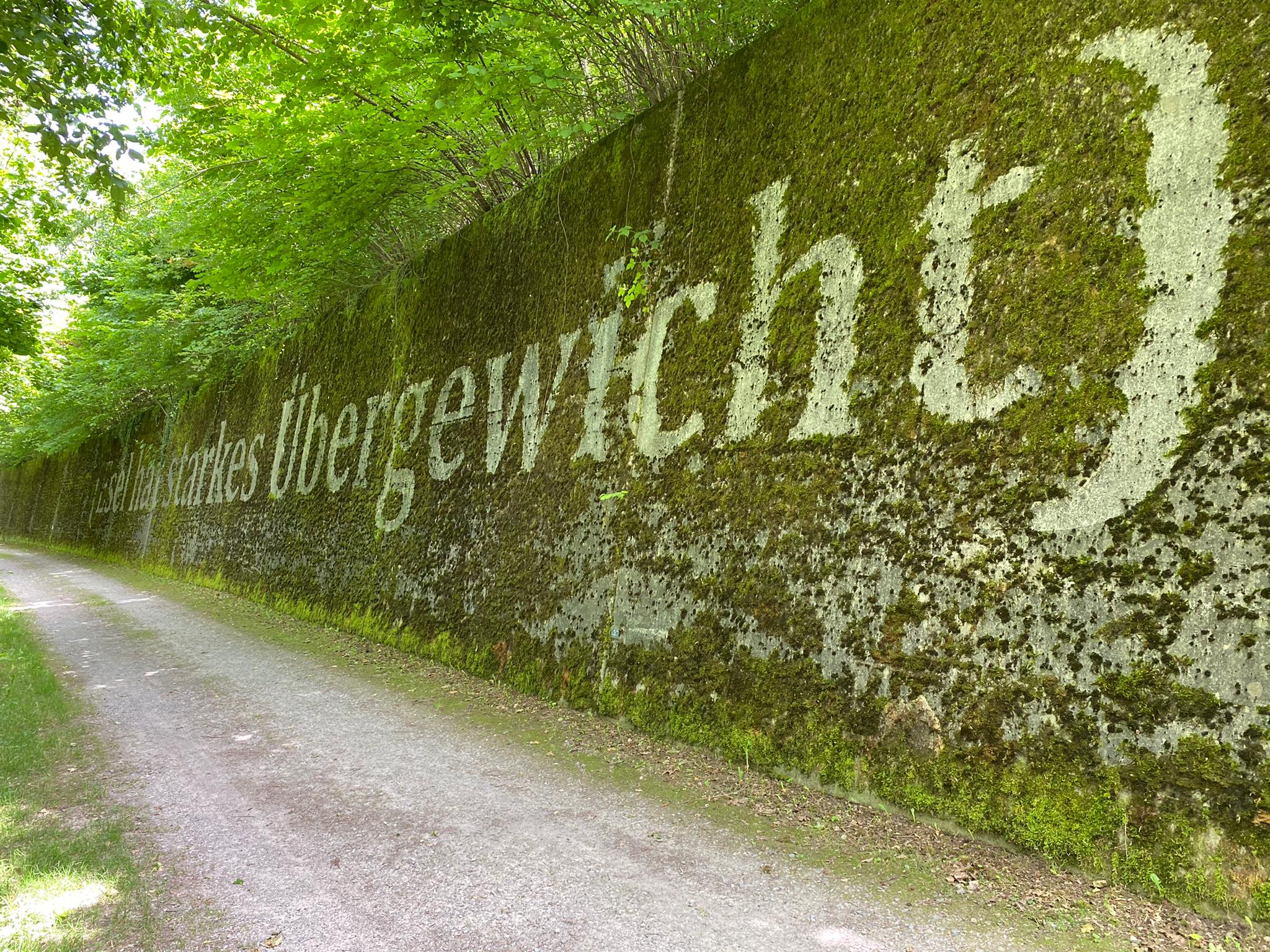
“El burro tiene mucho sobrepeso”
Googleando posteriormente, encuentro que fue realizada por el artista visual suizo Daniel Robert Hunziker.
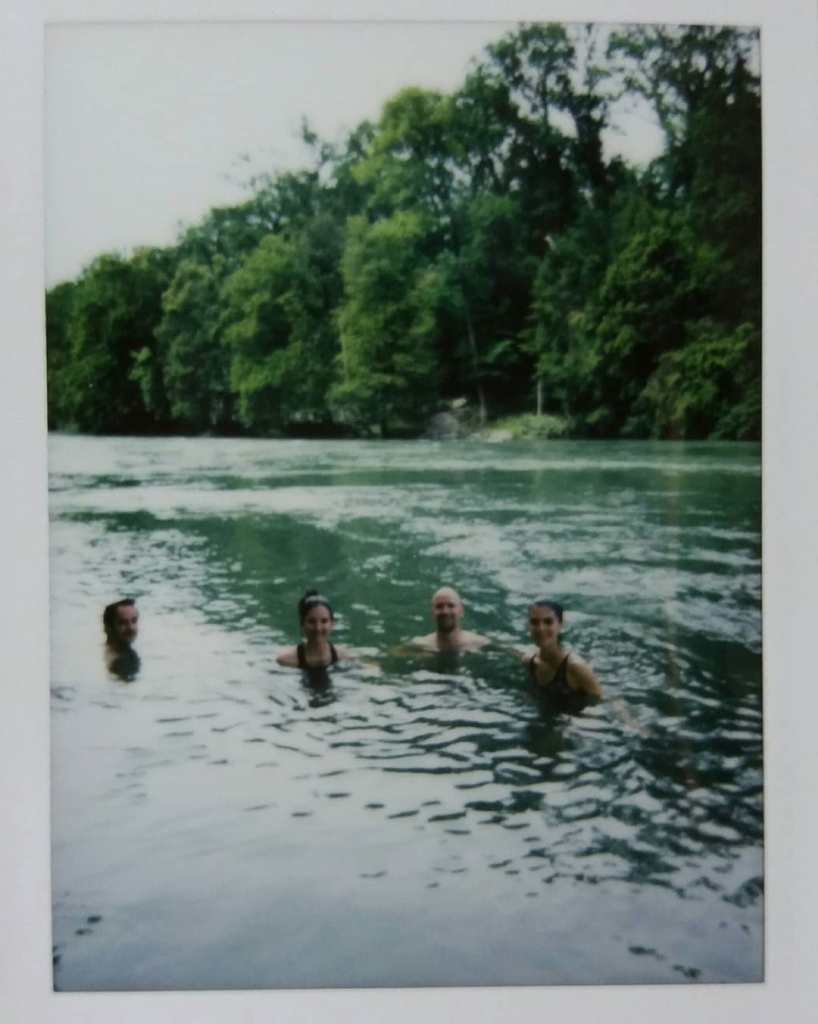
Seguimos caminando y finalmente encontramos una zona con entrada al agua, poca gente y unos bancos. Entrar al río nos refresca el cuerpo y, sobre todo, la cabeza. Ya aliviados, dejamos a dos compañeros atrás que deben regresar desde Wettingen, y continuamos el último tramo del paseo observando cómo una tormenta se aproxima, esperando llegar a Baden antes que ella. Lo hicimos. Llegamos a Baden, donde los romanos encontraron una fuente de agua caliente y fundaron la aldea Aquae Helveticae. Justo a tiempo para tomar algo fresco al lado del río, descansar nuestras piernas y tomar el tren de regreso mientras comienza a caer la tormenta.
Volveremos a la ciudad en el próximo tramo del paseo.
ENGLISH
We met at the point where we ended the walk last time: the Glanzenberg station. Only a month has passed since that meeting when we wore pullovers, warm jackets and pants. This time we are wearing light clothes, sneakers and we bring our bathing suit in the backpack. We are going lighter. Half of the group participated in the previous section (Virginia, Tommaso, Agustina) and the other half is the first time they come (Paul, Huub, Christian).
We start the ride with the idea of reaching Baden. The question of whether we will make it accompanies us all the way; there is an intention of arrival and this is perceived in the rhythm of the walk.
We move on chatting as we pass by Dietikon and arrive at the Elektrizitätswerke des Kantons Zürich, a hydroelectric power plant. In 1888 the first generator in the area was put into operation to drive the machine of a cotton weaving mill and electricity has been produced here ever since. We passed through the Grien Insel, an island created in conjunction with the canal to locate the turbines of the plant. At the opposite part of the island, where the road continues, we find a bridge and a viewpoint of river species where we stop briefly.
From this point on, we begin to notice the absence of large urban centers near the river. Every now and then houses appear near the banks but there are no large infrastructures or exits to the river. It is a quiet route in which we sometimes come across cyclists.
The riverbanks have also changed and where until now we had walked in clear plains, forests and ravines appear. From time to time, and without realizing it, we found ourselves looking at the river from above through the tree trunks, following the path that takes us back, momentarily, to its shore. We spend most of the route going in and out of forests, up and down hills. The group is struck by the change in the colour of the river; it looks a duller, lighter green.
We cross the border of Canton Zürich with Canton Aarau, which starts at the Limmatbrücke and ends at the water before reaching the Limmatinsel, where we decide to stop for a picnic break (and Paul a dip too). This is a peaceful place, where a few families scattered around are resting on this sunny Sunday.
We continue our way through forests, sometimes rudely interrupted by the passage of a road that we must skirt by footbridges where, no longer protected from the sun, we feel the heat that hits. At one of these crossings beside or under roads, walking on the right bank of the river after a long time, we find ourselves under a bridge where we lose the river. What do we do if we suddenly realize that we lost the river or that we have taken a river branch that diverted us from the Limmat? In this case, we decided to find a way back to the river that was left behind and after skirting the dry ravine, crossing it to get back to the other side, going back under that bridge, climbing some stairs and walking alongside a road again, we reached the left bank of the Limmat.
We walk a long way, talking in pairs, and stop little, until the need to bathe becomes stronger. We are close to Wettingen, and we have to walk for a long time under the sun until we find an area where we can refresh ourselves. Before, we pass a reservoir where we smell a strong rotten smell coming from garbage and trapped dead fish. As we pass the reservoir we see a water crossing for the fish to reach the river, a dog training park and a curious phrase engraved on a wall:
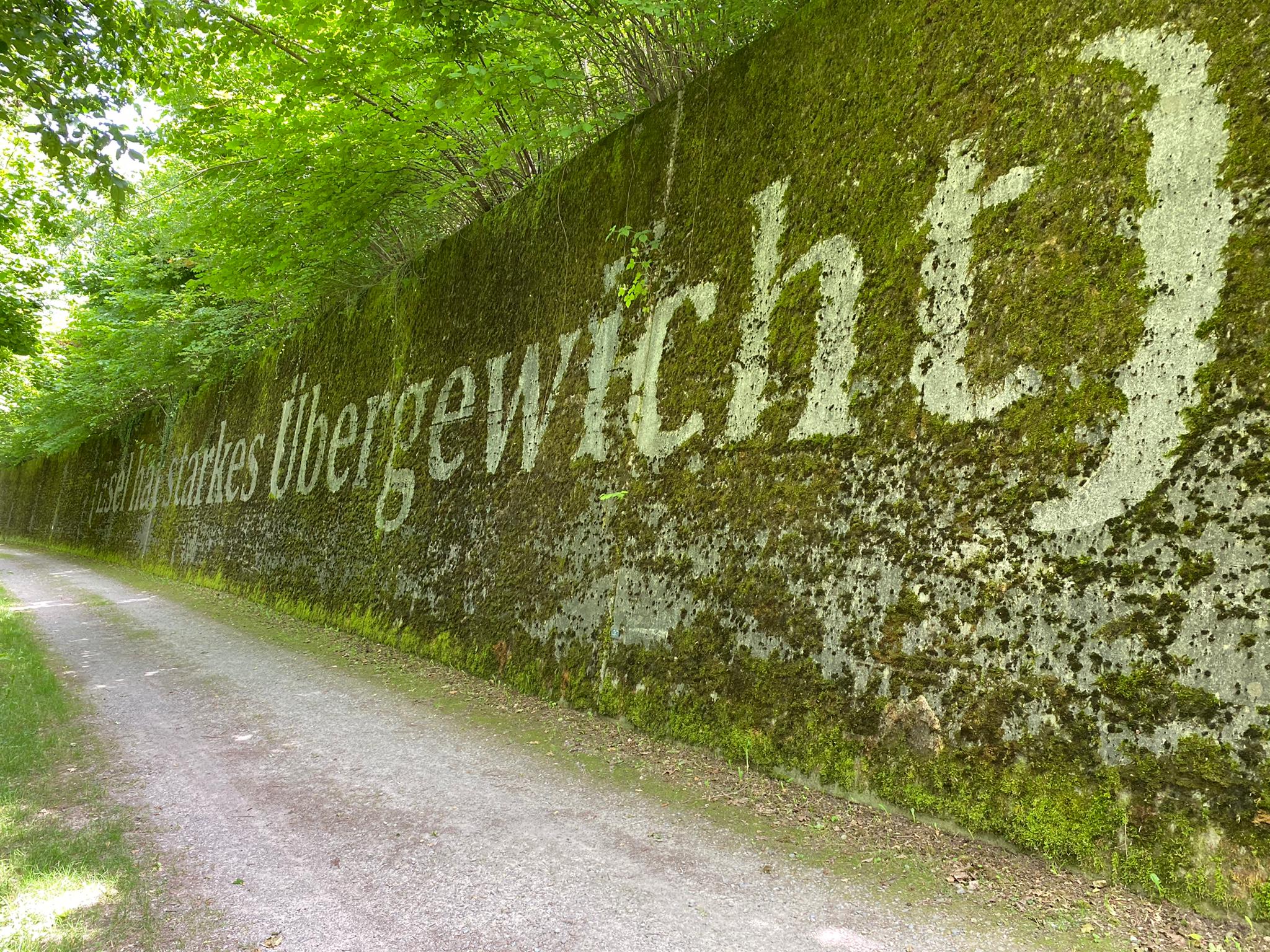
«The donkey is very overweight.»
Googling later, I find that it was done by Swiss visual artist Daniel Robert Hunziker.
We continue walking and finally find an area with an entrance to the water, few people and some benches. Entering the river refreshes our bodies and, above all, our heads. Already relieved, we leave two companions behind who must return from Wettingen, and continue the last stretch of the walk watching a storm approaching, hoping to reach Baden before it does. We did. We arrive in Baden, where the Romans found a hot spring and founded the village Aquae Helveticae. Just in time to have a cool drink by the river, rest our legs and catch the train back as the storm begins to fall.
We will return to the city on the next part of the walk.
Photos: Virginia, Paul, Christian y Agustina

 Despaseando