Tramo VI / Part VI: Koblenz – Schwaderloch 11 km
(ENGLISH below)
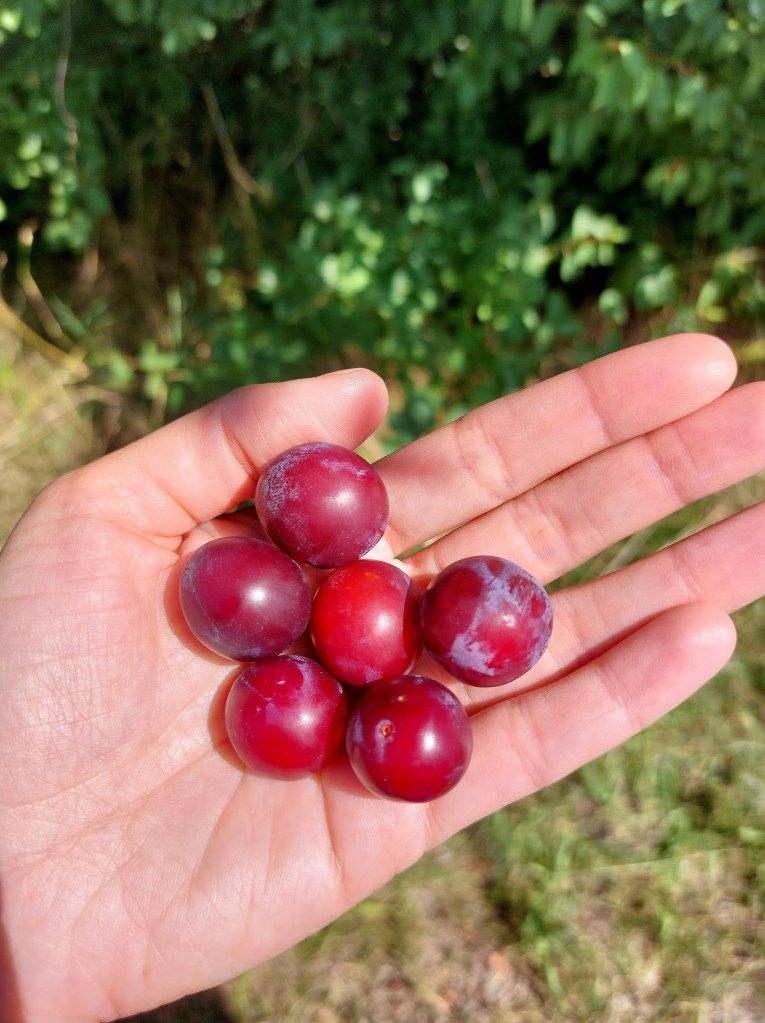
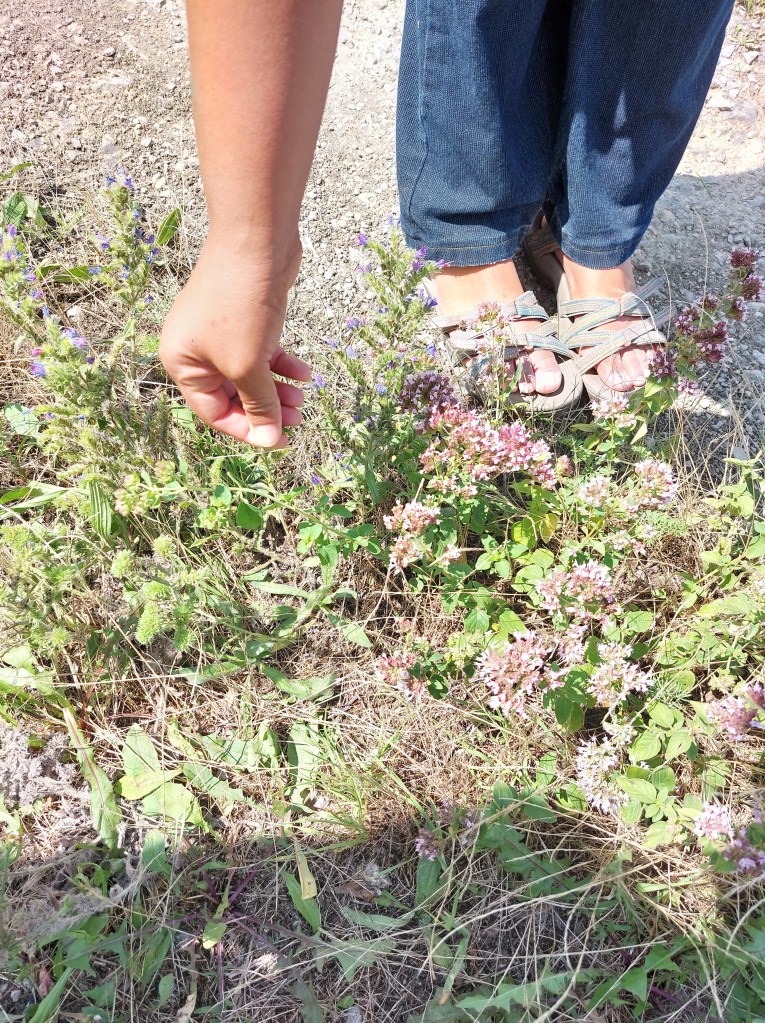
El sábado 22 de julio de 2023 retomamos, después de más de un año, el proyecto Am Fluss Entlang que se propone caminar –en tramos– a lo largo de los ríos que nos llevan de Zürich a Basel. Reanudamos el camino allí donde dejamos la última vez; con Sara nos bajamos del tren en la estación de Koblenz y nos encontramos con Paloma. Después de cruzar el puente sobre el Aare por el que habíamos pasado la última vez, nos dirigimos hacia el Rin en dirección a Basel. Comenzamos nuestro paseo especulando sobre cuántas caminatas quedan (yo creo que por lo menos tres, así que interesados/as, ¡apúntense!). También iniciamos de lleno con la guía de Paloma, quien nos fue indicando plantas y frutos durante la caminata cuyos nombres escribí en un cuaderno que llevé (para evitar retrasos en hacer este registro, como sucedió la última vez). Bajo su guía encontramos árboles llenos de «mirabelles», las cuales tomamos y comimos.

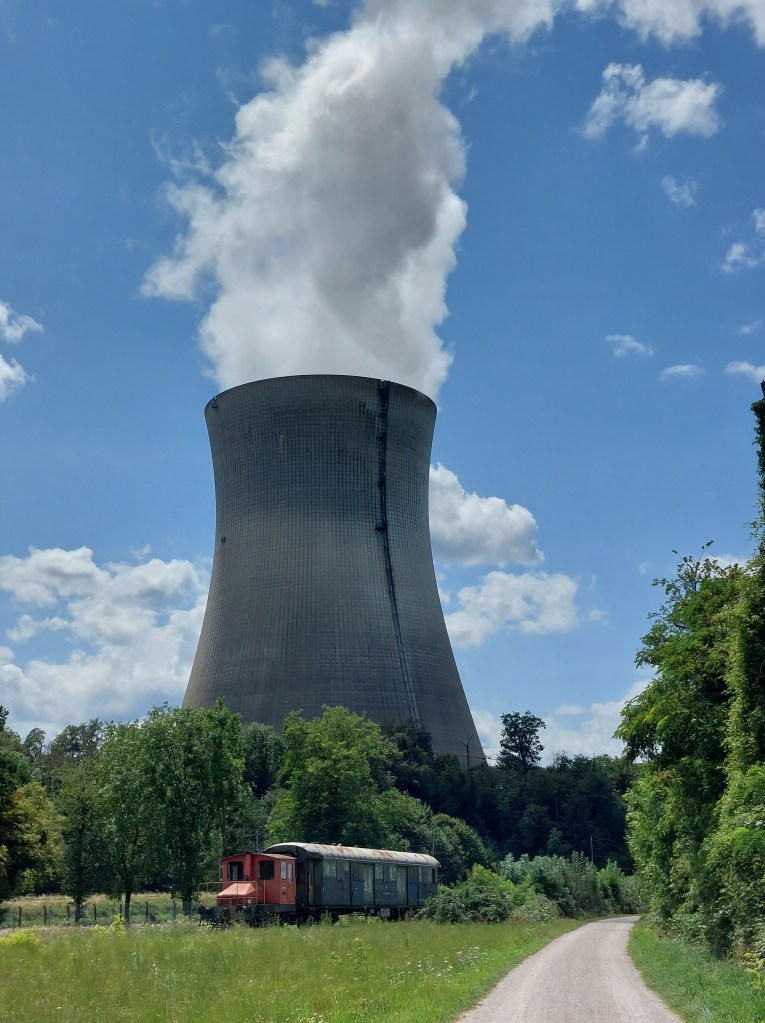
Durante todo el camino nos sorprendió lo «salvaje» de algunos tramos, demasiado para ser una de las rutas amarillas de Suiza, normalmente un poco más podadas. Nos gustó así, aumentó nuestra sensación de estar en un espacio diferente, propiciada por distintos elementos durante el camino, como la constante presencia de la planta nuclear Leibstadt, los búnkers que encontramos, un militar en calzoncillos junto a otro que con una manguera que salía desde una camioneta limpiaba uno de los búnkers, y un tren militar abandonado, cerca del cual un grupo de caminonetas de una escuela de wakeboard acampaba.
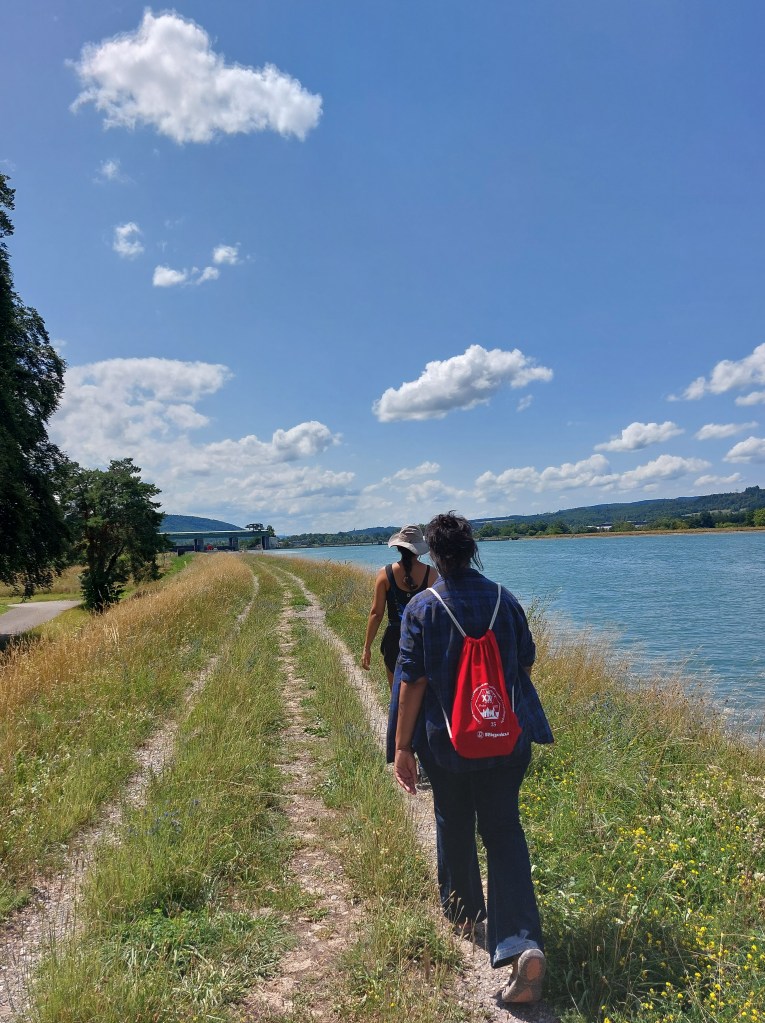
Pasamos cerca del Schweizerisches Militärmuseum Full. En su página se explica (y se muestra con un mapa) que unos cuantos búnkers se encuentran junto al Rin por ser zona de frontera y han sido construidas, en su mayoría, en el contexto de la Segunda Guerra Mundial.
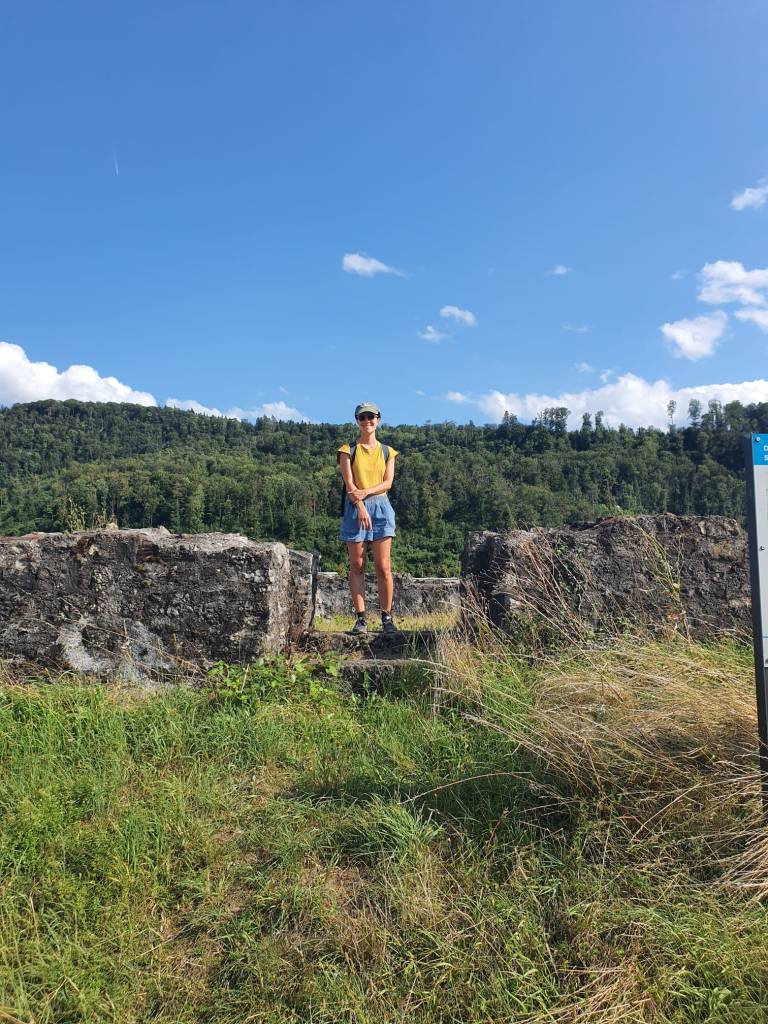
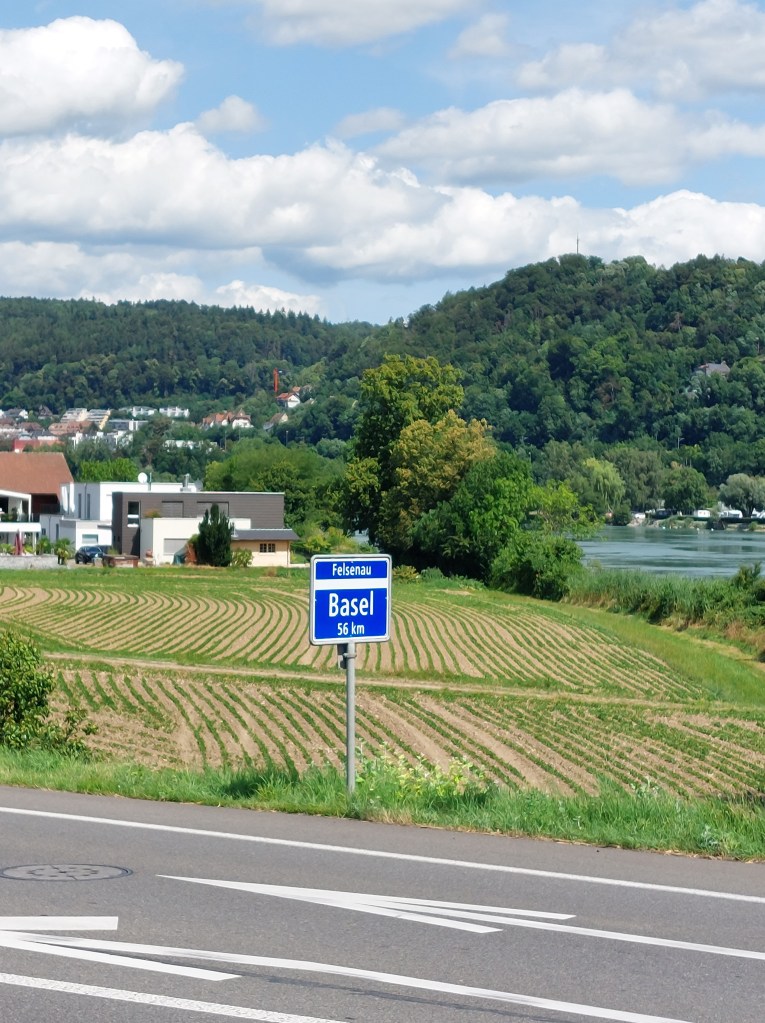
Sentí el hecho de transitar una frontera. No solo por los búnkers, sino también por la diferencia entre las dos márgenes del río (del lado alemán se ven muchas más construcciones y el terreno es alto; del lado suizo, por donde anduvimos, hay un valle antes de la primera colina, más alejada, y hay menos edificaciones). Además el mapa de Google me lo recordaba cada vez que lo consultaba: Schweiz / Deutschland, con la línea gris de la frontera dibujada en el agua. El río es aquí frontera. Lo comprobamos una vez más al final de nuestro camino cuando en Schwaderloch vimos unas ruinas de Limes, las torres y líneas de piedra del imperio romano. Al ver el nombre, Limes Schwaderloch, recordé el libro El Danubio donde Claudio Magris explica: «A un lado de esa línea quedaba el imperio, la idea y el dominio universal de Roma; al otro los bárbaros, que el imperio comenzaba a temer y que ya no se proponía conquistar y asimilar, sino contener.» Un cartel explica que es la ruina de una de las torres de vigilancia romana que se encuentran desperdigadas entre Basel y Konstanz.
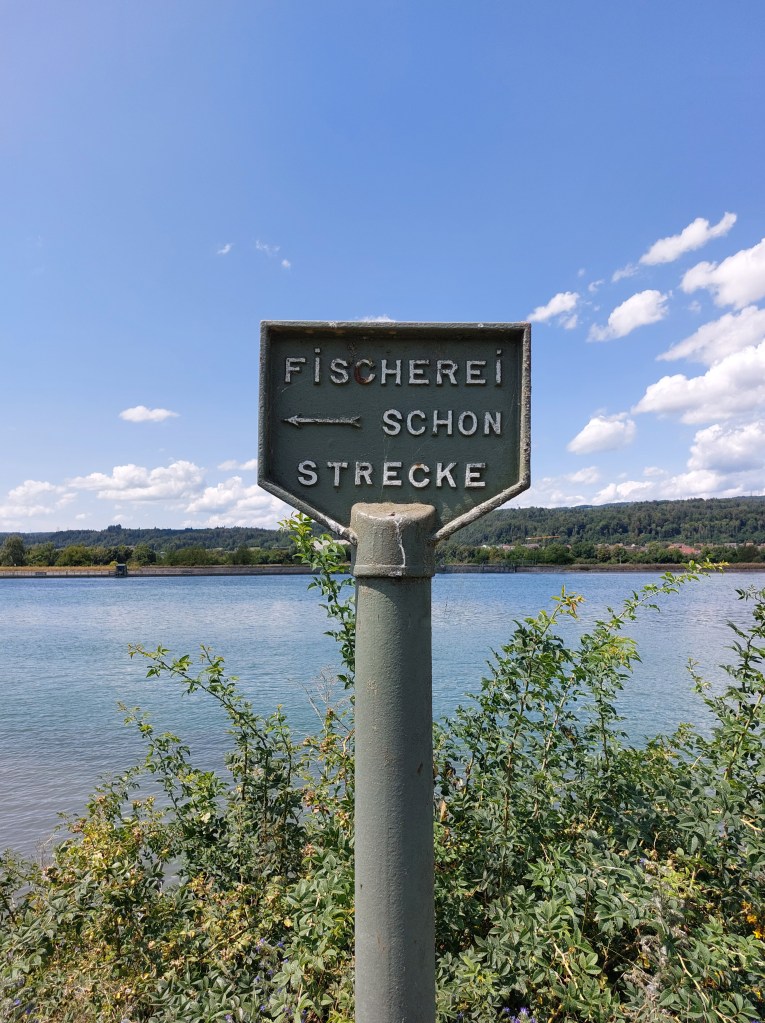
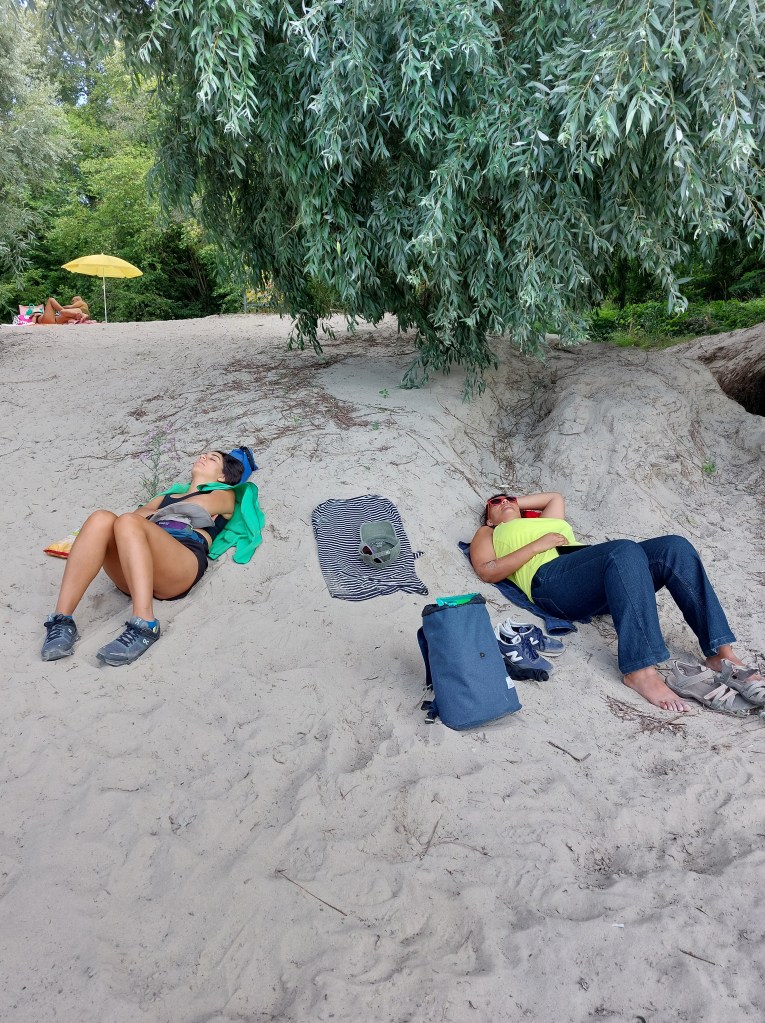
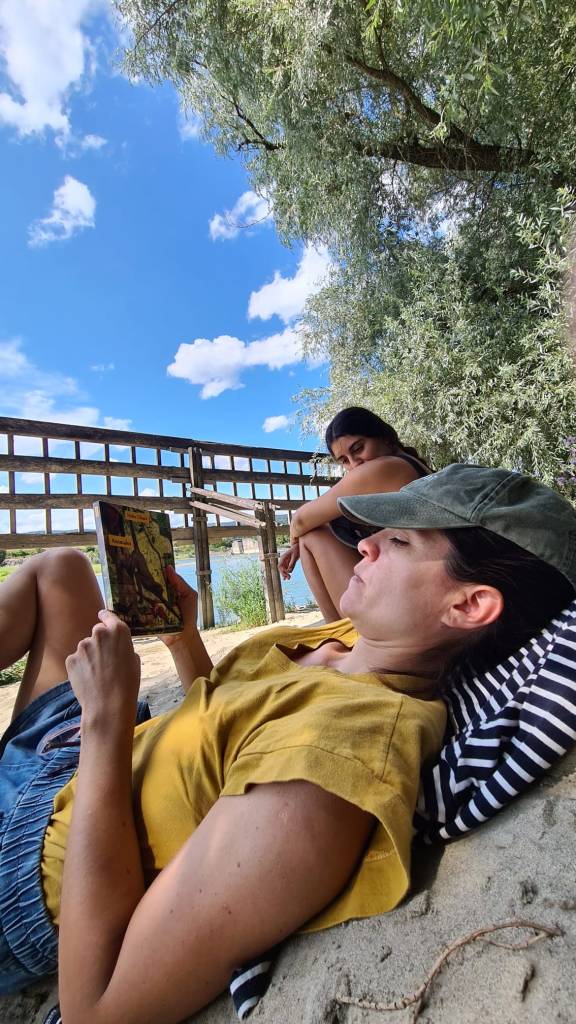
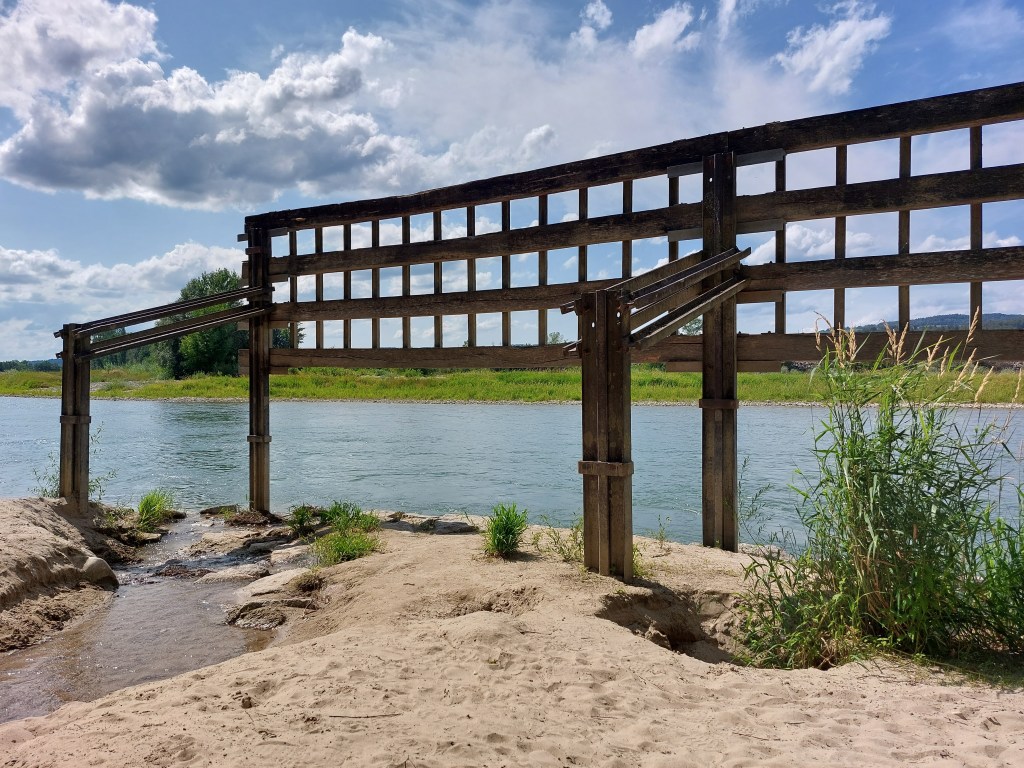
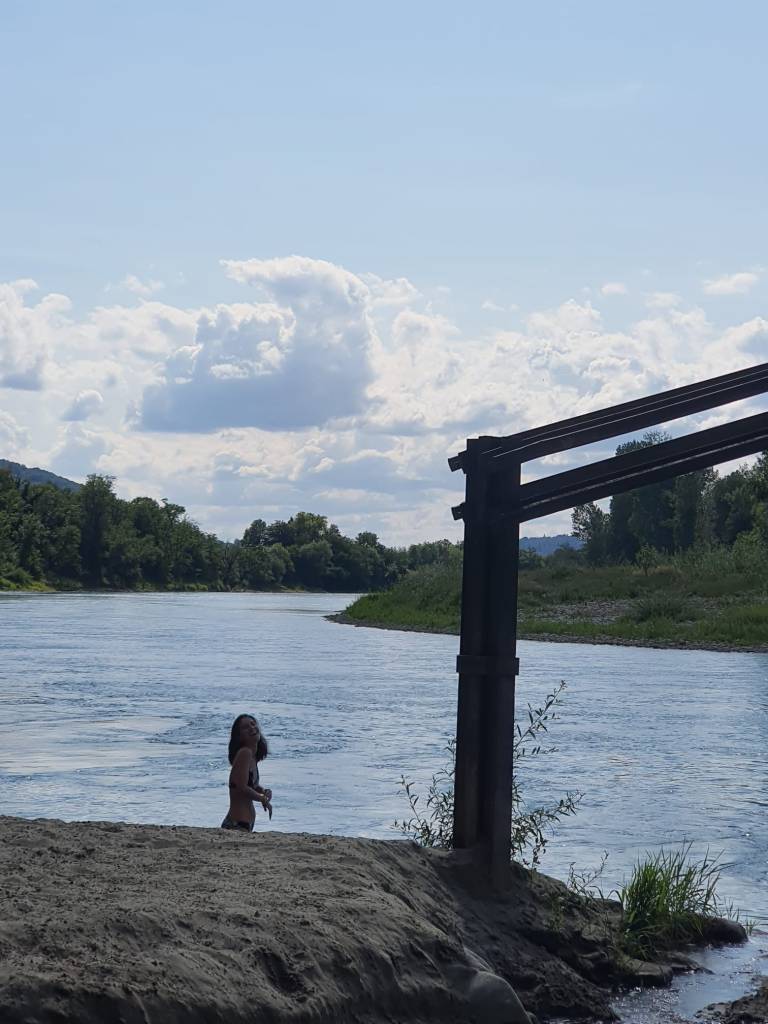
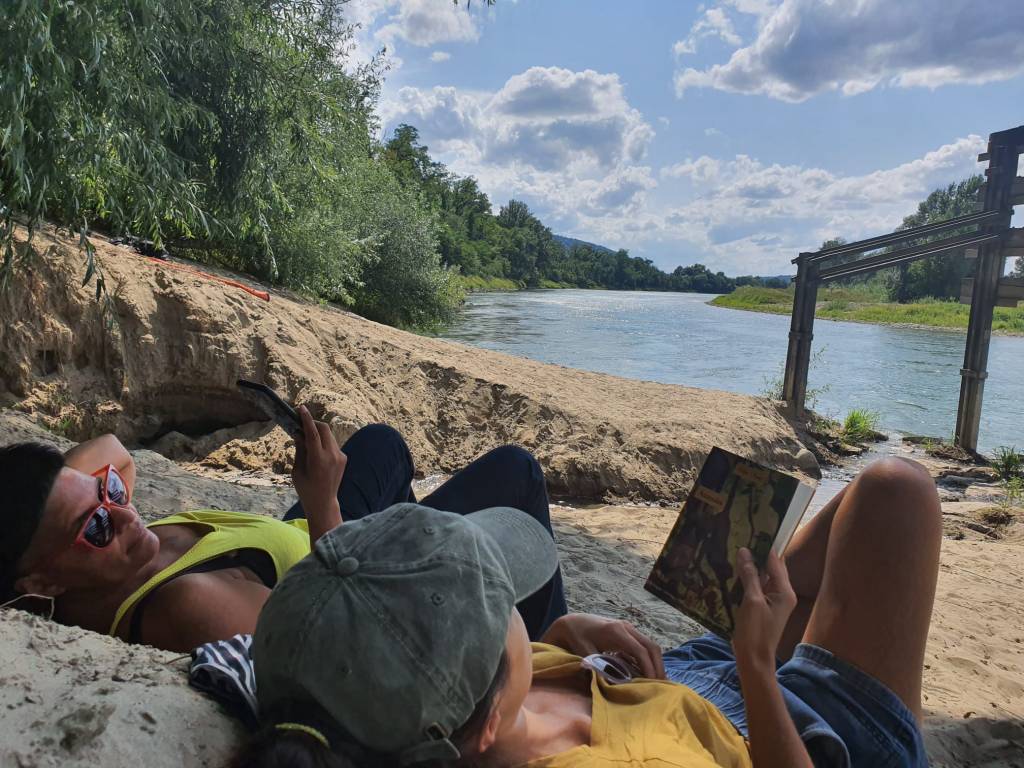
El camino, casi siempre al lado del río, está sobre lo que Paloma nos indicó como «levee» en inglés o «bordo» en español: una montañita construida por los humanos para contener posibles inundaciones producidas por la subida del río. No había muchos puntos para parar y descansar. Si algunos bancos en esos bordos. En uno de ellos nos detuvimos a comer huevos duros con mayonesa y a tomar agua. La siguiente pausa decidimos hacerla en un Gasthaus en Leibstadt, ya que teníamos mucha sed (en el camino no encontramos fuentes). Una vez recargadas de azucar y comida, emprendimos el camino y en seguida nos encontramos con una playa: parada obligatoria. Era una playa extraña, pasando una planta hidroeléctrica. A la derecha, la planta, al frente murallas, antes de las murallas, en el borde de la playa, unas viejas estructuras. La playa era de arena y había varios sauces, lo que me recordó a las de la isla frente a mi ciudad, en el Paraná (ríos lejanos conectándose una vez más). Allí nos acostamos y mientras Sara y Paloma se adormecían con mi voz, les leí dos relatos sobre naturalistas del libro Animales de Hebe Uhart, otra escritora que disfrutaba de excursiones insólitas y poco turísticas. Dejando descansar a las compañeras, decidí ir a sacarme el calor y sumergirme, en gran parte por el gusto de la idea de hacerlo, en las aguas del Rin. Me mantuve cerca de la orilla porque el río se veía correntoso, además de que la hidroeléctrica y un cartel de advertencia de posibles cambios rápidos del nivel del agua me produjeron respeto.
Continuamos el camino hasta el siguiente pueblo, allí donde encontramos las Limes, donde nos tomamos un bus, y luego dos trenes de regreso a Zürich. Fue un interesante paseo, después de tanto tiempo sin continuar este trayecto. Gracias a Paloma y a Sara que acompañaron y aportaron sus conocimientos, referencias y charlas varias.
ENGLISH
On Saturday 22 July 2023, after more than a year, we continued the Am Fluss Entlang project, which aims to walk – in sections – along the rivers that take us from Zürich to Basel. We pick up where we left off last time; with Sara we got off the train at Koblenz station and met up with Paloma. After crossing the bridge over the Aare, which we had crossed last time, we headed towards the Rhine in the direction of Basel. We started our walk speculating on how many hikes are left (I think at least three, so if you are interested, sign up!). We also began in good time with the guidance of Paloma, who pointed out plants and fruits during the walk, whose names I wrote down in a notebook that I took with me (to avoid delays in making this record, as happened last time). Under her guidance we found trees full of «mirabelles», which we took and ate.
All along the way we were surprised by the «wildness» of some sections, too much for one of Switzerland’s yellow routes, normally a bit more pruned. We liked it that way, our feeling of being in a different space increased, brought about by different elements along the way, such as the constant presence of the Leibstadt nuclear power plant, the bunkers we encountered, a military man in his pants next to another who was cleaning one of the bunkers with a hose coming out of a pick-up truck, and an abandoned military train, near which a group of trucks from a wakeboarding school were camping.
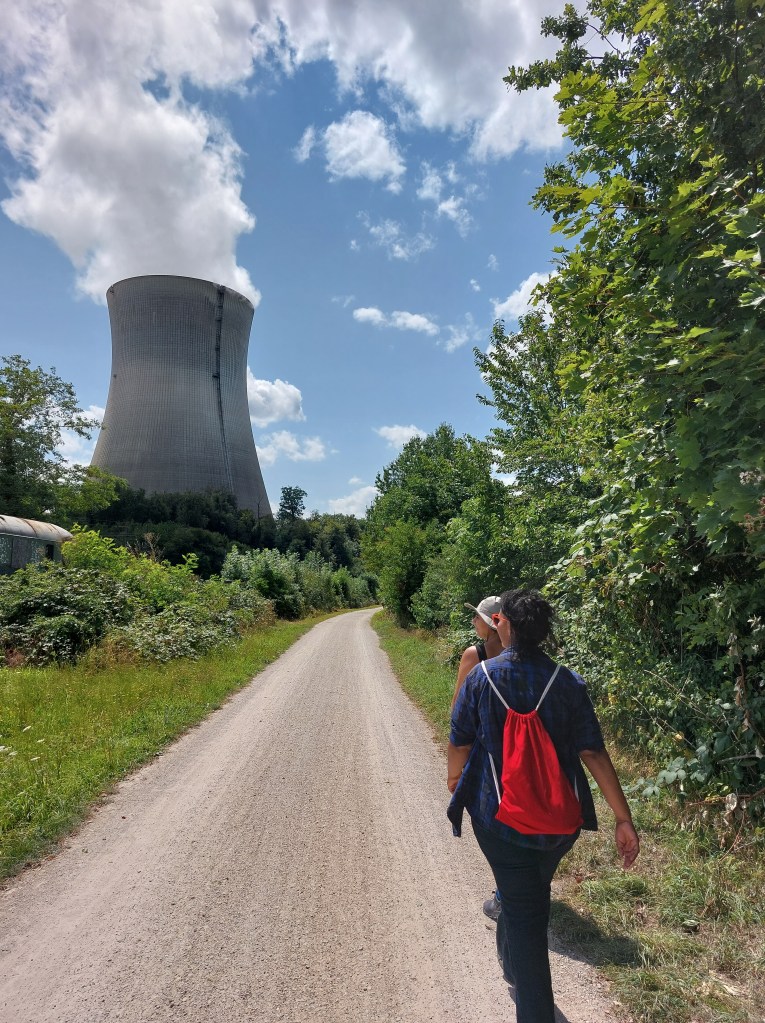
We pass near the Schweizerisches Militärmuseum Full. On its website it is explained (and shown with a map) that a number of bunkers are located along the Rhine as a border area and were mostly built in the context of the Second World War.
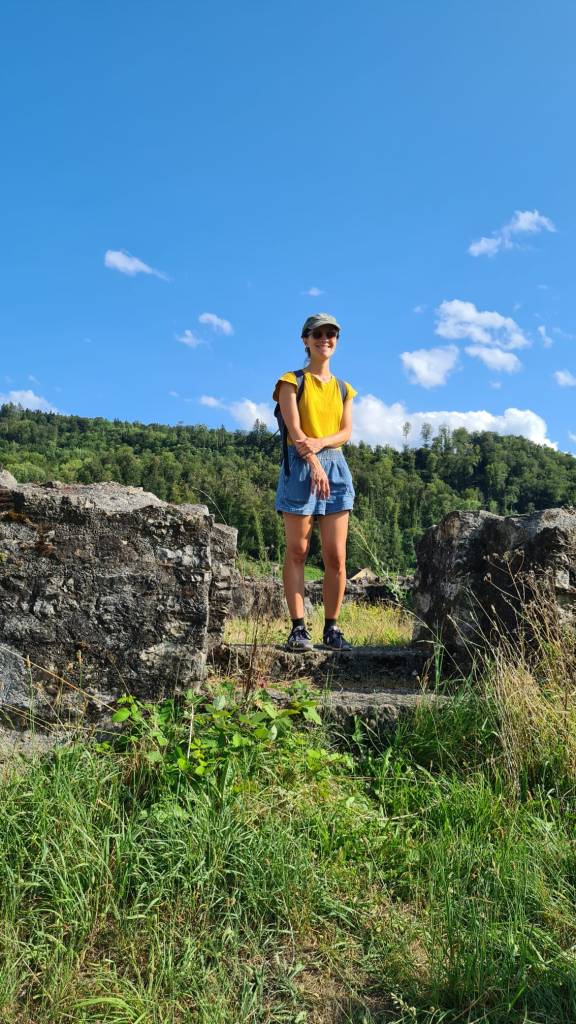
I felt like I was walking along a border. Not only because of the bunkers, but also because of the difference between the two sides of the river (on the German side there are many more buildings and the terrain is high; on the Swiss side, where we walked, there is a valley before the first hill, further away, and there are fewer buildings). Moreover, the Google map reminded me every time I looked at it: Schweiz / Deutschland, with the grey border line drawn in the water. The river is the border here. We saw this once again at the end of our journey when in Schwaderloch we saw the ruins of Limes, the towers and stone lines of the Roman Empire. Seeing the name, Limes Schwaderloch, I remembered the book The Danube where Claudio Magris explains (translation is mine): «On one side of that line was the empire, the idea and the universal dominion of Rome; on the other the barbarians, whom the empire was beginning to fear and which it no longer intended to conquer and assimilate, but to contain». A sign explains that it is the ruin of one of the Roman watchtowers spread between Basel and Konstanz.

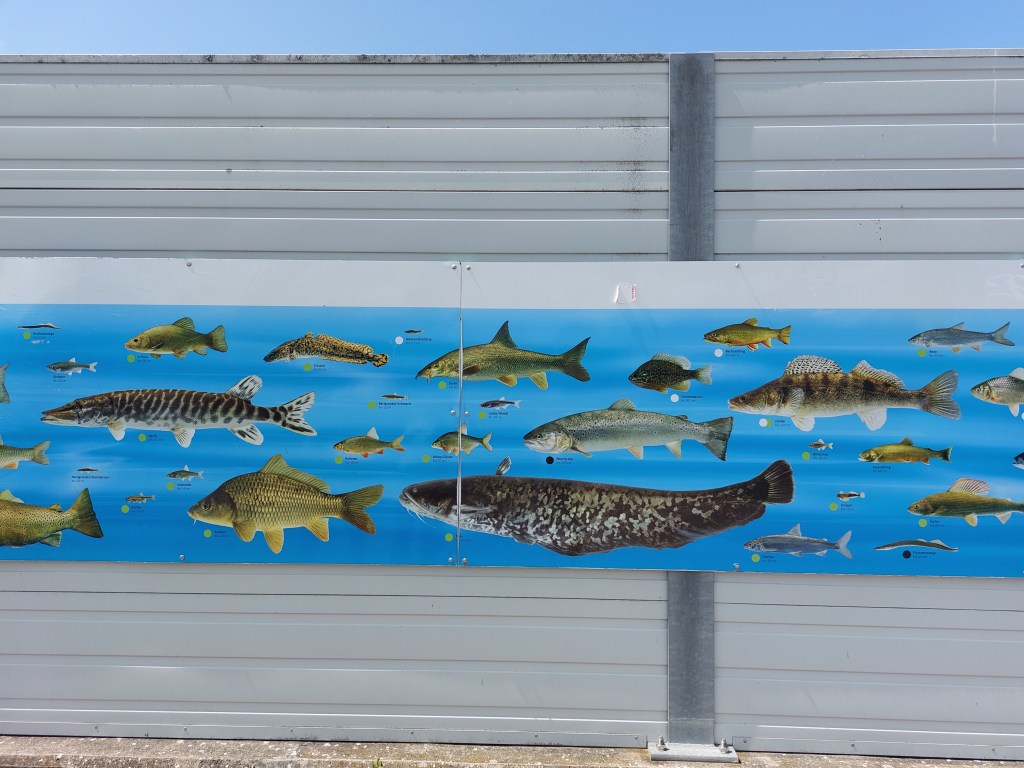
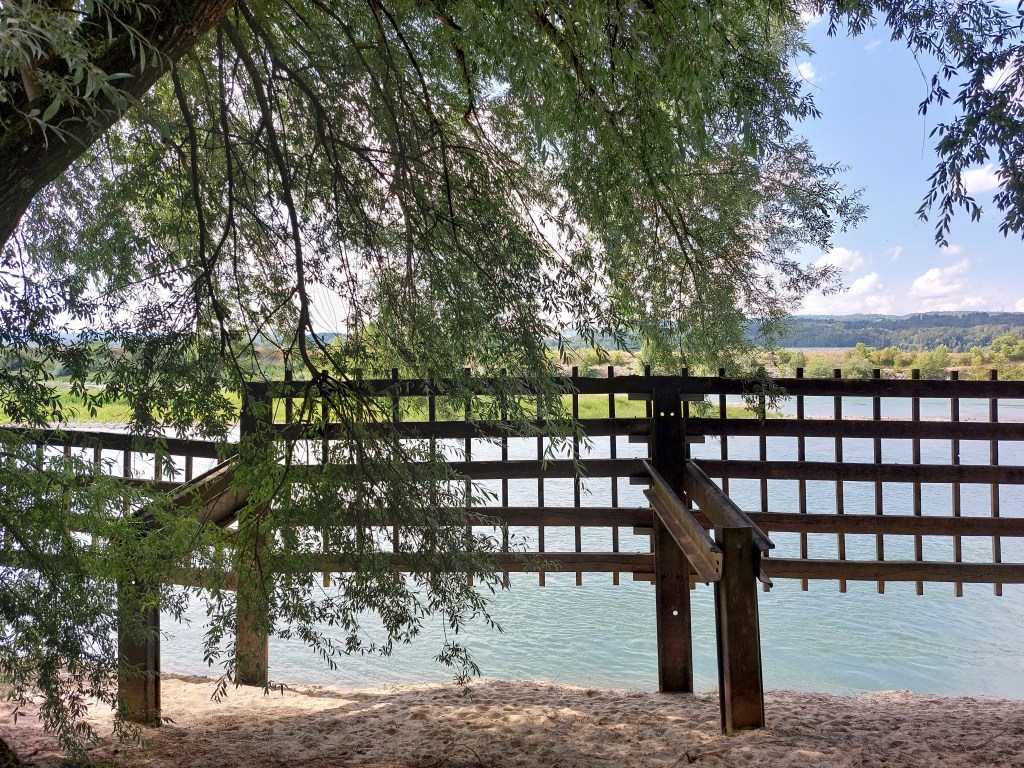
The road, almost always beside the river, is on what Paloma pointed out to us as a «levee» in English or «bordo» in Spanish: a small mountain built by humans to contain possible floods caused by the rising river. There were not many places to stop and rest. There were a few benches on these river levees. On one of them we stopped to eat boiled eggs with mayonnaise and drink water. The next break we decided to take was at a Gasthaus in Leibstadt, as we were very thirsty (there were no fountains on the way). Once we had refuelled with sugar and food, we set off on our way and soon came across a beach: a mandatory stop. It was a strange beach, passing a hydroelectric plant. To the right, the plant, in front walls, before the walls, on the edge of the beach, some old structures. The beach was sandy and there were several willow trees, which reminded me of the ones on the island in front of my city, in the Paraná (distant rivers connecting once again). There we lay down and while Sara and Paloma were lulled to sleep by my voice, I read them two stories about naturalists from the book Animals by Hebe Uhart, another writer who enjoyed unusual and not very touristy excursions. Leaving the companions to rest, I decided to go and get out of the heat and dive, not least for the pleasure of the idea of doing so, into the waters of the Rhine. I stayed close to the shore because the river looked rushing, plus the hydroelectric dam and a sign warning of possible rapid changes in water level gave me respect.
We continued on our way to the next village, there where we found the Limes, and took a bus, and then two trains back to Zürich. It was an interesting walk, after such a long time without continuing this journey. Thanks to Paloma and Sara who accompanied us and contributed their knowledge, references and various conversations.

 Despaseando
Deja un comentario